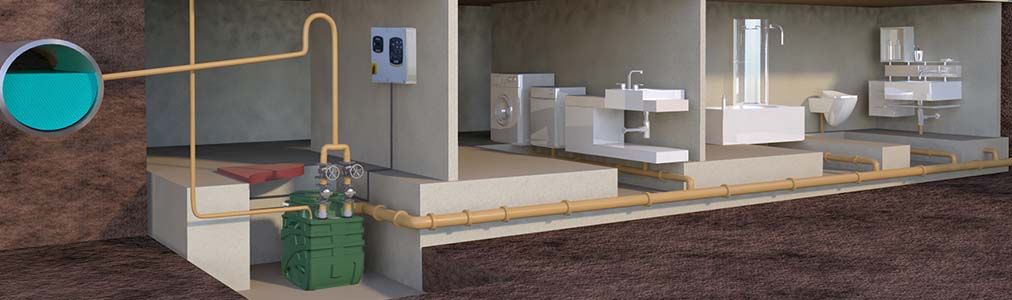
A sewage pumping station is a key part of modern drainage. It offers a dependable way to move wastewater and sewage. This is needed when gravity cannot do the job. This occurs in basements or buildings far from a sewer line. A good system prevents floods and health risks. It is a smart choice for your property. It protects your business and ensures work continues.
Choose the right sewage pumping station for your project
Choosing the correct system is very important. A good choice gives you a long service life. It also keeps your running costs low. You must match the pump to your project's needs. This helps you avoid problems later.
Calculate your flow rate and delivery head
First, work out your project needs. The Flow rate (l/h) is how much water the pump moves. The Delivery Head (m) is how high it can pump the water. Getting these values right is the first step. It makes sure the system can handle the load. A system that is too small will fail. A system that is too big wastes energy.
Match the pump to the wastewater type
Wastewater is not all the same. Greywater comes from sinks and showers and has few solids. Blackwater from toilets contains solid waste. You must choose a pump for the correct water type. Check the size of Solids particles (mm) the pump can handle. Pumps with grinder impellers are best for blackwater. This prevents clogs and keeps the system working.
Consider power and control systems
Most stations for smaller projects use Single-phase power. This is easy to install in most buildings. A Pump control system adds more benefits. It makes the pump's work automatic. It also gives you Dry-run protection. This stops the pump when there is no water. It protects the motor from damage and adds to the pump's life.
Common applications for sewage pumping stations in SMEs
These systems solve many drainage problems for businesses. They are perfect for sites with special plumbing needs. They offer a simple solution for difficult locations.
Basement drainage in commercial buildings
Many offices and shops have basements. These spaces often have toilets or small kitchens. These rooms are below the main sewer line. A sewage pumping station collects all the wastewater. It then pumps it up to the sewer. This makes basement spaces more useful for your business.
Drainage for remote buildings and annexes
New buildings or extensions can be far from the sewer. A sewage pumping station is a great solution here. It avoids digging long and deep trenches. This saves a lot of time and money on building work. It is a fast way to connect new rooms to the main system.
Managing greywater from business operations
Some businesses produce a lot of greywater. This includes small gyms, cafes, or workshops. A special pumping station can manage this water well. It keeps your main drainage system clear. It also helps you meet local water rules.
How a sewage pumping station ensures dependable operation
A good system works quietly in the background. It is made from strong parts to give you years of service. Its automatic features mean you do not need to worry. This is important for any business site.
The role of the float switch
The Float switch acts as the brain of the system. It is a simple and dependable part. As water fills the tank, the float rises. At a set level, it turns the pump on. The pump then empties the tank. The float drops and turns the pump off. This automatic cycle saves energy. The pump only runs when needed.
Built-in protection for a long service life
Modern pumps have systems to protect them. A Dry-running protection system is very important. It stops the pump if the tank runs dry. This prevents the motor from burning out. Many systems also have alarms for high water levels. This warns you of a problem before it gets serious. This protection means the system lasts longer.
Strong materials for handling solids
Sewage is hard on equipment. Pumping stations use strong materials. The tanks are often made of high-grade plastic. The Impeller and pump body use cast iron or stainless steel. These materials stand up to wear from water and solids. This strong build means less maintenance and a long life.
System integration and necessary accessories
A full system needs more than just the pump and tank. The right accessories make sure everything works together well. Correct installation is vital for a dependable system. It also makes future maintenance much easier.
Essential pipework and valves
You need the correct pipes for your system. A Discharge hose takes the wastewater from the pump. You must install a Non-return valve in this pipe. This Valve stops wastewater from flowing back into the tank. This is very important for the system to work right. A Shut-off valve is also useful. It lets you isolate the pump for maintenance.
Alarms and control panels for monitoring
For business use, an alarm system is a good idea. It warns you if the water level gets too high. This gives you time to fix a problem before a flood. A control panel makes it easy to see the system status. You can be sure that everything is working as it should.
Planning for maintenance access
When you install the system, think about the future. Make sure there is easy access to the tank lid and pump. This makes routine checks and service very simple. Good access saves time and cost during maintenance. It is a key part of a professional installation.
Use our online tools to find the right sewage pumping station for your project today. For direct advice or a project quote, contact our team.
Need help with your project?
Choosing the right system can be complex. Our team has deep technical knowledge. We give fast, clear advice for your business needs. We help you find the best solution for your budget and project timeline. Contact us for technical support or a quote.
Frequently Asked questions
Here you will find answers to common questions. These points will help you choose and manage your system. They give clear information for your project planning.
What is the main use of a sewage pumping station?
Its main job is moving wastewater from low areas up to the main sewer line. This is needed for basements, remote buildings, or where gravity drainage will not work. It is a core solution for many properties.
How do I choose the right size?
You must know your project needs. First, calculate the Flow rate (l/h) you expect the system to handle. Then, work out the Delivery Head (m), which is the height the water must be pumped. Our product details help you find the right model.
Can it handle toilet waste?
Yes, many models can handle toilet waste. These stations use a pump with a grinder or vortex Impeller. This breaks down solids before pumping. Always check the maximum Solids particles (mm) value in the product details to prevent clogs.
Does it need a lot of maintenance?
These systems are built for low maintenance. A regular check of the Float switch and pump is a good idea. This simple check helps the system run well for many years. We suggest an annual service for business sites to ensure uptime.
What is a non-return valve and why is it important?
A Non-return valve lets water flow in one direction only. It is fitted to the Discharge hose to stop wastewater from flowing back when the pump stops. This is a very important part that protects the pump and makes the system work correctly.









:blur(20))