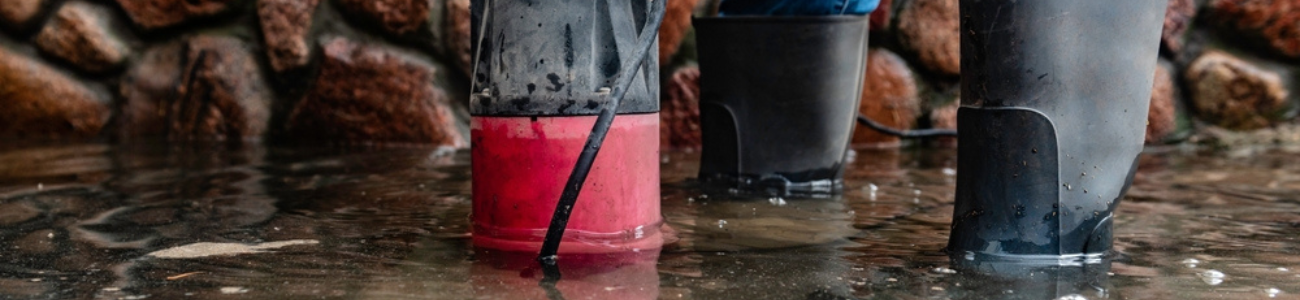
A drainage pump is a vital tool for many projects. It moves unwanted water away from your site fast. This is very important for construction and commercial properties. Choosing the right pump saves you time and money. A good pump works when you need it most. It protects your assets from water damage. This guide helps you find the best pump for your job.
Choose the right drainage pump for your project
Finding the best drainage pump is key for your business. The right choice offers a long service life and low running costs. You must check the pump's technical details. This helps you get the best value over its lifetime.
Check key technical values
First, check the Flow rate (l/h). This shows how fast the pump moves water. A higher number means faster draining and less downtime. Then look at the Delivery Head (m). This is the maximum height the pump can push water. Measure your site's height needs with care.
Consider the water type
You must know the type of water you need to move. Some pumps only work with clean water. Others can handle dirty water with solids. Check the maximum size of solids particles (mm). This value shows what dirt the pump can pass through. Using the wrong pump leads to blockages and failure.
Plan for long-term value
A durable pump may cost more upfront. But it lasts longer and needs fewer repairs. This saves money over its working life. Pumps made from quality materials handle tough site conditions. This means less unplanned downtime for your business.
Common applications for a drainage pump in your business
Drainage pumps solve many water problems for SMEs. They are useful in various small commercial settings. They keep your operations running without water-related delays.
This section explains common uses for these pumps.
Pumping out a basement or crawl space
Flooded basements can cause building damage. They also harm stored goods and equipment. A drainage pump removes this water quickly. Use a model with a float switch. It starts and stops the pump by itself. This gives you great protection with little effort.
Draining water from work sites
Rain can flood excavations on building sites. This stops work and creates unsafe conditions. A drainage pump keeps these areas dry. This allows your project to move forward safely. It also helps you meet important project deadlines. Look for a pump that handles muddy water.
Managing greywater systems
Small office buildings and commercial sites produce greywater. This is used water from sinks or showers. A drainage pump moves this water to a treatment area. This is a simple way to manage wastewater. It helps your building meet local regulations.
How a drainage pump provides reliable service
Drainage pumps are designed for simple and certain use. They are a type of submersible pump. This means you place them directly into the water. This design helps the pump work well for a long time.
Automatic operation with a float switch
Most drainage pumps have a float switch. This switch floats on the water's surface. As the water rises, the float lifts and turns the pump on. As the level drops, the float falls and turns the pump off. This system stops the pump from running dry. Dry running can badly damage the motor.
Simple and durable design
The design of a drainage pump focuses on a long life. The motor is sealed in a waterproof casing. The impeller moves the water through the pump. It is made to handle dirt and small solids. This simple build means the pump works reliably with little supervision.
Creating a full drainage system
A drainage pump needs the right parts to work correctly. You must connect everything properly. This makes sure the pump performs as expected. It also stops leaks and pressure loss.
Essential hoses and connections
You will need a discharge hose to carry water away. Make sure its diameter fits your pump's outlet. A wider hose can improve the flow rate. Use quality coupling pieces to connect the hose. This creates a secure, leak-free connection.
The importance of a non-return valve
Always install a non-return valve in the discharge pipe. This part stops water from flowing back into the pump. It protects the pump motor when it is not running. It also makes sure the drained area stays dry.
Securing the system
Place the pump on a flat, stable surface. This stops it from falling over. It also stops it sucking up too much mud from the bottom. Keep the power cable away from the water flow. Check all connections before you start the pump.
Need to move water fast for your project? Find the perfect drainage pump for your needs today. Use our buying guide to choose the right model.
Do you need help with a project plan or a custom quote? Our technical team is ready to assist. We understand the needs of SME projects. We give fast, clear advice to find your solution. Contact us for expert support.
Frequently Asked Questions
Our team answers common questions about drainage pumps. We want to help you make the right choice. Find clear answers for your project below.
What is the difference between clean and dirty water pumps?
A clean water pump is for water with no solids. A dirty water pump can pass small solids like sand or mud. Check the solids particles (mm) value to see the largest particle the pump can handle. Using the wrong pump type can cause a blockage and stop your work.
How does a float switch work on a drainage pump?
A float switch provides automatic control for your pump. It is a sealed switch that floats on the water. When the water level rises, the switch turns the pump on. When the water falls, it turns the pump off. This protects the pump from damage caused by running dry.
What delivery head do I need for my project?
The Delivery Head (m) is the vertical height a pump can push water. To find the right value, measure from the pump to the highest point of the discharge hose. You should add about 10% for pressure loss in the hose. This sum is the total delivery head you need.
Can I use a drainage pump for continuous operation?
Some drainage pumps are built for continuous use. Check the product information for its duty rating. Pumps for continuous use have better cooling systems. They can run for many hours without damage. This makes them ideal for long-term dewatering tasks on a site.
What hose diameter should I use with my drainage pump?
The hose diameter affects the flow rate of your pump. A hose that is too small will reduce the pump's performance. Always check the pump's outlet size. Use a discharge hose with at least the same diameter. A larger diameter hose can improve water flow over long distances.









:blur(20))