A dependable sump pump is a key asset. It protects small commercial buildings from water damage. Unwanted water in a basement can cause large problems. It can stop work and lead to costly repairs. A good pump works on its own to keep these areas dry. This allows your business to carry on without expensive delays. Choosing the right pump is a good investment. It provides long-term value and protects your property.
How to choose the right sump pump for your project
Choosing the correct sump pump is very important. A good choice stops future failures and saves money. You should check key technical values for your project. This makes sure the pump works well for many years.
Check flow rate and delivery head
The flow rate (l/h) is a key value. It shows how much water the pump moves per hour. A larger space needs a higher flow rate. The delivery head (m) is also a key value. It shows how high the pump can push water. Measure the height from the pump to the outlet point. Match these values to your project needs. This gives you fast and full water removal.
Match the pump to the water type
Sump pumps can handle different kinds of water. Some are for clean water only. Others can handle water with dirt or mud. The product details list the maximum size of solids particles (mm). Always check this value. Using the wrong pump for dirty water causes blockages. This can damage the motor and stop the pump from working.
Consider automatic operation and protection
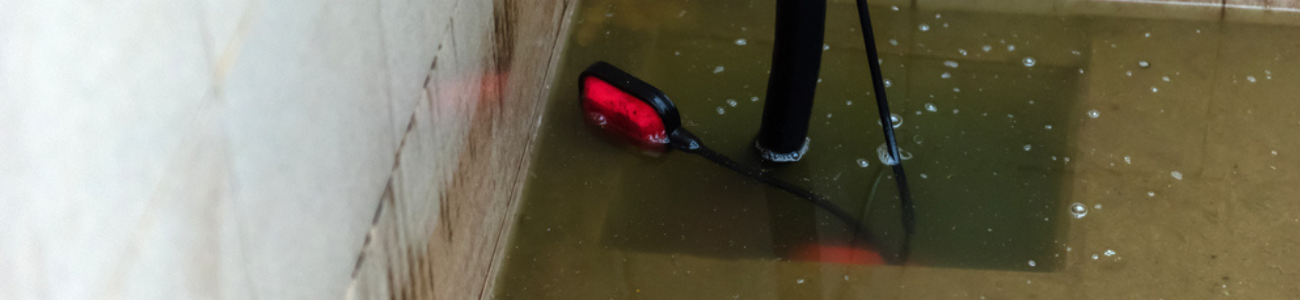
Most sump pumps work on their own. They use a float switch to turn on and off. This gives you protection without constant checks. Some models also have dry-run protection. This feature stops the pump if there is no water. It stops the motor from burning out. This makes the pump last much longer.
Common sump pump applications in business buildings
Sump pumps are used in many business properties. They are a proven way to manage unwanted water. They keep key areas dry and ready for use. This helps you avoid breaks in your business.
Draining basements and crawl spaces
This is the main use for a sump pump. Basements in offices or shops often store goods or equipment. A sump pump keeps these spaces dry. It protects your valuable assets from water damage. It is a simple way to secure your property. It gives great security for a small cost.
Managing groundwater in small projects
Construction sites need good water control. A sump pump can keep foundation pits dry. This lets work carry on safely and on time. It is also used in landscaping projects. The pump can clear standing water after heavy rain. This helps to protect new work and prevent delays.
Emptying collection pits and tanks
Sump pumps can empty small tanks or pits. They are often used in workshops or service areas. These pits catch water from washing or cleaning jobs. A sump pump removes the wastewater quickly. This keeps the work area safe and clean. Always check if the water has oils or chemicals first.
Understanding sump pump operation and long life
A sump pump is a type of submersible pump. It works inside the water it needs to move. The design is simple and works consistently. It offers a long service life with little upkeep. This gives you peace of mind that your property is safe.
The role of the float switch
The float switch is the pump's automatic control. It floats on the top of the water. When the water level goes up, the switch lifts. This action turns the pump on. As the pump moves water, the level goes down. The float switch then drops and turns the pump off. This simple system works every time.
Why a non-return valve is key
A non-return valve fits onto the outlet pipe. It lets water flow out but not back in. This stops pumped water from coming back to the pit. It stops the pump starting and stopping too often. This saves energy and reduces wear on the motor. It is a small part that helps the pump last longer.
Completing your sump pump system with key parts
A pump works best with the right parts. These parts help your system work well and last long. They help you build a full and lasting solution. A good setup saves time and stops future problems.
Choosing the correct discharge hose
The discharge hose carries water from the pump. You must use a hose with the right diameter. A hose that is too small slows the water flow. This makes the pump work harder and use more power. Check the pump's outlet size. Then choose a matching discharge hose. This helps the pump work at its best.
Adding a pump control system
For more protection, you can add a pump control system. This unit gives more control than a simple float switch. It can protect the pump from power supply problems. It can also provide a dry-running protection system. A pump control system is a good choice for key sites. It offers the highest level of system security.
View our full range of sump pumps today. Find the right model for your project needs. Order now for fast delivery to your site.
Need help with your project specification?
Do you have technical questions? Or need a quote for a specific project? Our team is ready to help. We give expert advice for business installations. We know you need solutions that work well and save money. Contact us for fast, professional support.
Frequently Asked Questions
Choosing the right pump is key for your project's success. Here are answers to common questions. They will help you find the best solution for your needs.
How do I choose the right size sump pump?
First, check the flow rate and the delivery head. The flow rate (l/h) shows how fast the pump moves water. The delivery head (m) shows how high it can pump. Measure your space and the height to the discharge point. Then, pick a pump that meets or is above these values.
What is a float switch and why is it useful?
A float switch allows the pump to work on its own. It turns the pump on when water levels rise. It turns it off when the water is gone. This simple part makes the pump work dependably. It protects your property day and night without your input. This saves energy and labour.
Can I use a sump pump for dirty water?
This depends on the pump model. Check the pump's data for solids particles (mm). This number shows you the largest size of dirt it can pass. Using a clean water pump for dirty water will block it. This will cause the pump to fail. Always match the pump to the water type.
What is a non-return valve?
A non-return valve is a one-way valve. It is fitted in the discharge hose. It stops water from flowing back into the pit after the pump stops. This action stops the pump from switching on and off too quickly. This saves energy and extends the pump's service life.
How can I make my sump pump last longer?
Keep the sump pit clean and free from large objects. This stops the pump from getting blocked. Test the float switch now and then to check it moves freely. Also, make sure the discharge hose outlet is not blocked. A small amount of care helps the pump have a long service life.








:blur(20))