
 Specialist since 2011
  Expert support




Popular categories
:blur(20))
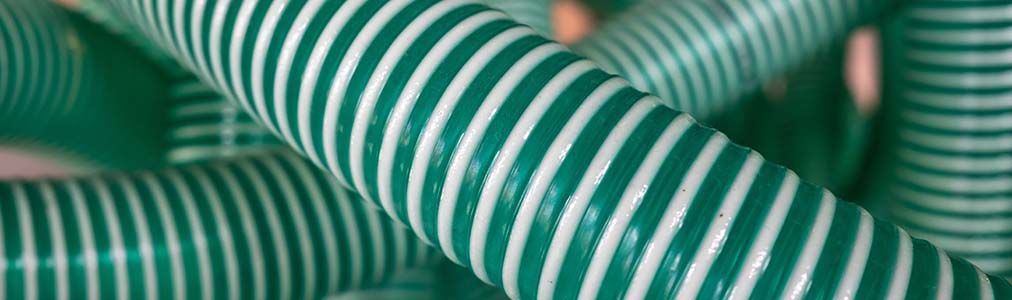


A working water pump system needs the right connections. Hoses are a key part of this system. They move water from the source to where it needs to go. The wrong hose can cause big problems. You may get leaks, low pressure, or pump damage. This guide helps you choose the correct hoses. We focus on parts that offer long-term value. This cuts down on future service calls and costs. We aim to support your small and medium-sized projects.
How to choose the right hoses for your project
Picking the correct hose is key for your system. The right choice prevents future problems and keeps your system working well.
Match the hose type to your task
Different jobs need different hoses. A suction hose draws water into the pump. It has strong walls to stop it from caving in. A discharge hose moves water away from the pump. It is built to work with high pressure. For garden irrigation, a garden hose or drip hose is best. They connect to sprinklers or drip systems.
Check key hose values
Look at three main values when you choose a hose. The diameter affects the flow rate and pressure. A wider hose lets more water pass through. The pressure rating shows the top pressure it can handle. Always match this to your water pump's output. The material affects how long the hose lasts. Choose strong materials for dirty water or tough sites.
Get long-term value from quality hoses
A cheaper hose can cost more over time. It may leak or break and stop your project. A quality hose is a good choice for your budget. It is made from strong materials. This gives it a long service life. It lowers the risk of failure and downtime. This saves you money on new parts and repairs.
Professional applications for water pump hoses
Hoses are used in many small commercial and residential projects. They offer a flexible way to move water where you need it.
Irrigation for small commercial sites
Hoses are key for lawn irrigation and garden irrigation. They connect the water pump to sprinklers or drip systems. This allows for automatic irrigation of green spaces. You can use them for small office gardens or retail landscapes. This keeps plants healthy with little work.
Water management in buildings
Hoses are also used for draining water. You can use a discharge hose for pumping out a basement. A submersible pump and hose can empty a crawl space. This protects the building from water damage. It is a quick fix for flood water or leaks.
Hoses for rainwater harvesting systems
Rainwater harvesting systems use hoses. A suction hose connects the rainwater tank to a water pressure pump. This lets you use stored water for different jobs. You can use it for flushing toilets or for garden irrigation. It is a good way to save mains water.
Water types and hose material
Always match the hose to the type of water. You can use most standard hoses for clean water. For water with sand or small solids particles, use a tougher hose. A strong suction hose with a filter is very important. This protects the water pump's impeller from damage.
How our hoses keep your system working
Our hoses are designed for steady, long-term use. They use special features to make sure your system works well over time.
Understanding suction hoses
A suction hose must be very strong. Its walls are reinforced. This stops the hose from flattening under suction pressure. Many have a non-return valve at the end. This valve stops water from flowing back to the source. It keeps the pump primed and ready to work.
The role of discharge hoses
A discharge hose needs to be flexible but strong. It must handle the pressure from the water pump without bursting. These hoses are often lighter than suction hoses. This makes them easier to move around a project site. They are a good choice for draining water or for irrigation.
Building a full system with hoses and accessories
A hose is just one part of a complete water system. You need other parts to connect everything and protect your tools.
Key connecting kits and couplings
You often need to connect a hose to a pump or pipe. A connecting kit makes this simple. It creates a tight seal with no leaks. Coupling pieces help you join hoses together. They can also connect hoses with different sizes or threads. This gives you more options on site.
Add a filter to protect your system
Use a filter if your water source has dirt or grit. A filter attaches to your suction hose. It stops solids particles from getting into the water pump. This prevents clogs and damage to the pump's impeller. A filter helps your pump last much longer.
Using sprinklers for lawn irrigation
For lawn irrigation, connect sprinklers to your discharge hose or garden hose. We offer many types of sprinklers. An oscillating sprinkler is good for square lawns. An impact sprinkler can cover a large area. An irrigation computer provides automatic watering.
View our full range of professional hoses. Find the right model for your project's needs. Order today for fast delivery to your site.
Need help choosing the right hose for your project? Our technical team is ready to help. We offer expert advice for SME installations. We can help you with technical details or a project quote. Contact us for a fast and professional solution.
Frequently Asked Questions
Our experts answer common questions about hoses for professional use. We give clear advice to help you with your project needs.
What is the difference between a suction hose and a discharge hose?
A suction hose draws water into a pump and has strong walls to stop it from collapsing. A discharge hose moves water away from the pump under pressure and is often more flexible. Using the wrong type can damage your pump or cause the system to fail.
How does hose diameter affect my water pump's work?
The hose diameter changes the flow rate and pressure. A narrow hose slows down water flow. This creates more friction and lowers the pump's output. A wider hose allows a higher flow rate. Always match the hose diameter to your pump's connection size for the best results.
Which hose is best for water with solids particles?
For water with sand or dirt, use a heavy-duty suction hose made from strong material. Always use it with a good quality filter or suction strainer. This protects the water pump's impeller and inner parts from wear and damage.
Do I need a non-return valve with my suction hose?
Yes, a non-return valve is a very good idea for a suction hose. It is often part of a suction strainer kit. The valve stops water from flowing out of the hose when the pump stops. This keeps the pump self-priming and ready for the next use.
How do I make a secure, leak-free hose connection?
For a secure connection, use the correct connecting kit or coupling pieces. Check that the threads match your pump and hose. Use thread seal tape on male threads before you connect them. This fills small gaps for a watertight seal. Tighten by hand first, then use a wrench for a final quarter turn. Do not tighten too much.