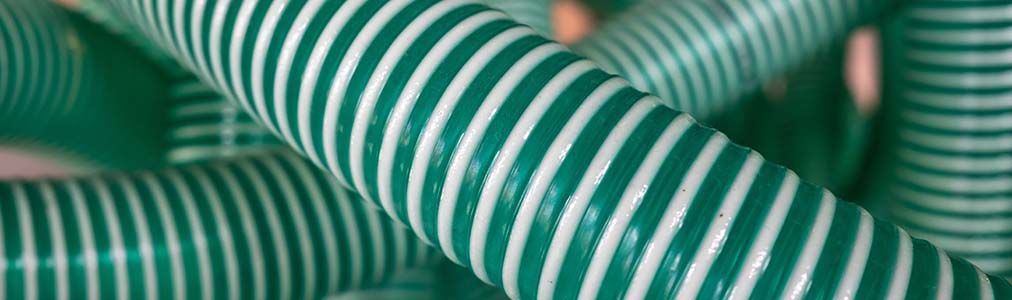
A strong Suction hose is the first step in any water pump setup. It links your water pump to the water source. This is vital for site drainage or irrigation projects. A poor hose can collapse or let air in. This can quickly damage your pump motor. Choosing the right hose saves money. It prevents costly repairs and project downtime. Our hoses are made for professional use. They give a secure link. This gives your system a long life.
How to choose the right suction hose for your project
Choosing the correct suction hose is key for good results. The right size and material affect your pump's output. They also affect the lifespan of the hose.
Match the hose diameter to your pump
The hose diameter must match your pump's inlet. A small hose limits the water flow. This makes the pump work too hard. It uses more energy and can wear out faster. Check your pump's details to find the right size. This ensures your pump works at its best.
Select the correct length for the job
Measure the distance from the pump to the water. Choose a hose that is long enough. A short hose will not reach the water source. A hose that is too long can lower the pressure. Always use the shortest hose possible for the job. This gives you the best pump output.
Consider the material for a long life
Our suction hoses are made from strong PVC. They have a hard spiral inside. This stops the hose from collapsing under pressure. This design works well for professional sites. It can handle water with some dirt. A strong hose means fewer replacements. This lowers your total project costs.
Typical uses for a professional suction hose
A suction hose is used in many SME and building projects. It is a key part for moving water safely and fast. It works well for both short-term and fixed jobs.
Draining water from sites and basements
Construction sites often need water drained. A suction hose connects to a water pump. It helps with pumping out a basement fast. It is also used for draining trenches or pits. The strong build handles water with some dirt. This keeps your project on time.
Irrigation for small commercial properties
For garden irrigation, you need a good water source. A suction hose can draw water from a pond or tank. This water is used for lawn irrigation at offices. It can also supply water for sprinklers. This is a simple way to set up automatic irrigation.
Sourcing water for short-term setups
Many jobs need a water supply for a short time. A suction hose lets you use nearby water sources. Think of ponds, rivers, or large tanks. This is useful for cleaning jobs or mixing materials. It gives you fast and dependable water access.
How a quality suction hose protects your system
A good suction hose does more than move water. It is a key part for pump protection. It ensures the whole system works well for a long time. It helps prevent common reasons for failure.
Preventing pump damage
The main job of a suction hose is to supply water. It must do this without letting in air. Air in the system can cause dry-running. Dry-running will break a water pump. Our hoses create a tight seal. This protects your pump from costly damage.
The role of the filter
Most suction hoses come with a filter. This filter sits at the end of the hose. It stops large solids particles from entering. Things like leaves or stones are kept out. This stops the pump's impeller from getting blocked. It is a simple way to ensure the pump works well.
Using a non-return valve
The filter often includes a non-return valve. This valve stops water from flowing back out. The hose and pump stay full of water. This is vital for a self-priming pump. It means the pump is ready to start right away. It saves you time on site.
Building a full system with your suction hose
A suction hose is part of a larger system. You need the right parts to connect it correctly. This ensures a leak-free setup that works well. A proper connection saves time and stops problems later.
Using the right connecting kits
You need to connect the hose to the pump. A connecting kit makes this job easy. These kits have the right coupling pieces. They ensure a tight fit between the hose and pump inlet. This stops air leaks and pressure loss.
Connecting to a discharge hose
After the pump, you need a discharge hose. This hose moves the water away from the pump. Make sure its diameter is correct for the pump's outlet. A proper discharge hose lets the pump move water fast. This is key for drainage and irrigation jobs.
Find the best suction hose for your project in our product list. Use our guides to help you choose the correct model. Order today for fast delivery to your site.
Need help with your project specifications? Our team can give you expert advice. We provide fast quotes for SME projects. We understand your need for dependable, low-cost solutions. Contact us for direct technical support.
Frequently Asked Questions
Here you can find answers to common questions. Our experts explain key technical points. This will help you choose the right product for your project.
What is a suction hose used for?
A suction hose connects a water pump to a water source. It is used to draw water into the pump. It works with sources like ponds, wells, or flooded areas. The hose is strong and does not collapse from the pump's suction force.
Why does a suction hose have a wire coil?
The hard spiral coil gives the hose its strength. When a pump creates suction, a normal hose would flatten. The coil stops this from happening. It ensures the hose stays open. This lets water flow freely to the pump without any blocks.
Do I need a filter with my suction hose?
Yes, using a filter is very important. Most suction hoses come with a filter at the end. This stops leaves, stones, and other solids particles from entering the pump. This protects the pump's impeller from damage and blockage. It ensures a long service life.
What is the non-return valve for?
A non-return valve stops water from flowing back out of the hose. This valve is usually part of the filter. It keeps the hose and pump filled with water when the pump stops. This helps the pump to start again quickly. It is very useful for a self-priming pump.
How do I choose the right diameter for my suction hose?
The hose diameter should always match the pump's inlet size. You can find this size in your pump's manual. Using a hose that is too small can reduce water flow. This forces the pump to work harder and can lead to damage.








:blur(20))