
 Specialist since 2011
  Expert support




Popular categories
:blur(20))
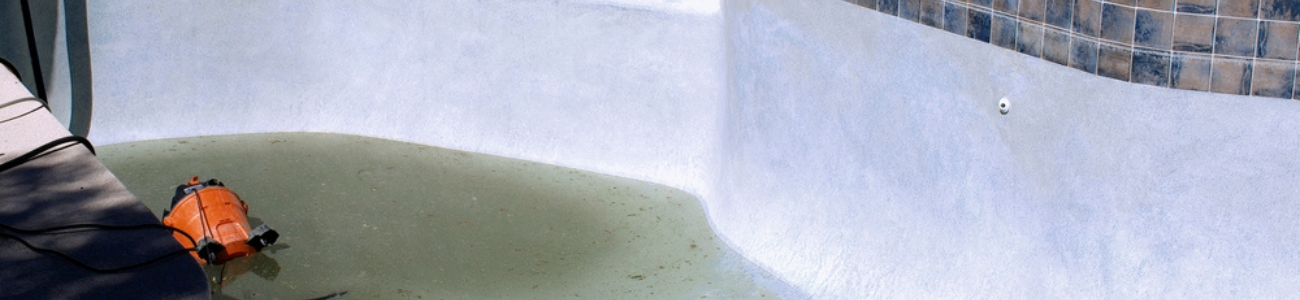
A water sucking pump is a key tool for water management. It is designed to work outside the water, drawing liquids through a suction hose. This makes it highly effective for its task. The pump pushes water upwards and away from your site. It helps prevent flooding in basements or excavations. This protects your assets and reduces repair costs. Choosing the right water sucking pump keeps your project on track.
Choose the right water sucking pump for your project
Choosing the best water sucking pump involves looking at its total value. You must consider the full cost over its working life. A quality pump saves you money on energy and repairs.
Key values for your choice
Look at two main performance figures. The first is the Delivery Head (m). This tells you how high the pump can move water. The second is the Flow rate (l/h). This shows the volume of water it moves per hour. Match these values to your project's needs. This makes sure the water sucking pump performs correctly.
Match pump materials to water type
The type of water is a critical point. Some pumps are only for clean water. Others can handle dirty water with solids particles (mm). A water sucking pump made of durable materials lasts longer in harsh conditions. Choosing the right one prevents premature failure. This saves you the cost of a replacement.
Automatic control for lower use costs
Many water sucking pumps work with a pressure or float switch. This switch automates the pump's operation. The pump runs only when needed. This saves a great deal of energy. It also extends the pump's service life. This simple part lowers your running costs.
Common uses for a water sucking pump in business
A water sucking pump has many uses in commercial settings. They are ideal for small and medium-sized projects. They offer a reliable solution to water-related problems.
Draining water from work sites
Water often collects in foundations and basements. This can stop work and cause costly damage. A water sucking pump removes this water quickly. Use a dirty water model for sites with mud or silt. This keeps your project safe and on schedule.
Managing rainwater and greywater
You can use a water sucking pump for rainwater harvesting. It moves stored water for use in commercial buildings. This can be for toilets or cleaning. This helps lower utility bills. Special models also handle greywater from facilities.
Water for commercial ponds and features
Decorative ponds or water features need constant water flow. A water sucking pump provides pond circulation. It is placed outside the water source but connected via a suction hose. These pumps work reliably without being submerged. They do not disrupt the site's appearance.
How a water sucking pump works for you
A water sucking pump has a simple, sturdy design. This makes it a very reliable tool for moving water. Understanding its operation helps you use it correctly.
The basic working idea
The pump has a motor that turns a component called an impeller. The impeller has blades that spin at high speed. This rotation creates a low-pressure area, allowing the pump to suck water up through the suction hose. The water is then pushed out through the discharge hose and moved away from the area.
Why self-priming is an advantage
The surrounding air helps cool the motor. This allows the pump to run for long periods. It will not overheat during continuous use. This design also allows easy access for maintenance.
Dry-run protection is a key feature
A water sucking pump must not operate without water. This is known as running dry. It can cause serious damage to the motor. A pressure switch or controller provides dry-run protection. It shuts the pump off if the water level gets too low. This protects your investment from damage.
Building a full system with your water sucking pump
A pump is one part of a complete water management system. You need the right accessories for it to work well. Quality parts make sure you have a safe and durable setup.
Hoses for moving water
You need a suitable discharge hose. This hose connects to the pump's outlet. It carries the drained water away. You also need a strong suction hose to draw the water in. The hose diameter must match the pump. A hose that is too narrow reduces performance. It forces the pump to work harder and use more energy.
Valves for better control
A non-return valve is a very useful part. It prevents water from flowing back into the pump. This protects the pump from backflow when it stops. You can also install a shut-off valve. This allows you to stop water flow for maintenance.
Filters to protect your pump
A filter can help extend your pump's life. It stops large debris from entering the pump through the suction hose. This is very important for pumps used in ponds or wells. A simple filter can prevent expensive damage to the impeller.
View our water sucking pumps now. Find the right model for your project. Order today for fast delivery to your site.
Need help with your project?
Our team has deep knowledge of pumps. We provide fast, clear advice to help you choose correctly. Contact us for technical support or a project quote.
Frequently Asked Questions
Here we answer common questions about water sucking pumps. Our answers will help you make an informed decision. Find clear technical information for your project needs.
What is most important when choosing a water sucking pump?
The most important values are the Delivery Head and Flow rate. The Delivery Head shows the maximum height the pump moves water. The Flow rate shows how quickly it moves it. You must also check if the water sucking pump is for clean or dirty water.
Can a water sucking pump run without water?
No, a water sucking pump will be damaged if it runs dry. The motor needs to be protected from overheating. Most models work with a pressure switch or controller that provides dry-run protection. This feature turns the pump off automatically when water is too low.
What is the difference between a clean and dirty water pump?
A dirty water water sucking pump can handle solids particles. These are small pieces of dirt, sand, or leaves. The product details will list the maximum particle size. A clean water pump can be blocked or damaged by such debris.
How long should the power cable be?
The power cable must be long enough to reach a socket safely. You should never use an extension cord. Most pumps come with a standard cable length, which is fine for most jobs.
What maintenance does a water sucking pump need?
These pumps require very little maintenance. You should check the suction hose and filter regularly. Make sure it is not blocked by leaves, mud, or other debris. Keeping the inlet clear helps the pump to work well and last longer.