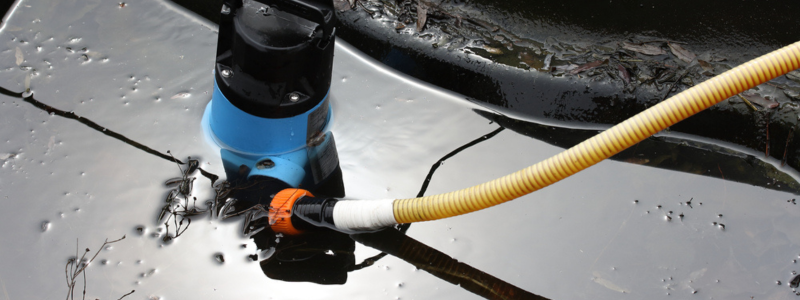
Choosing the right small submersible pump ensures your project runs smoothly. These pumps are made for draining water from tight spaces. They work well in basements or small building sites. The right model stops downtime. It also protects your investment for years.
Choose the right small submersible pump for your project
Choosing the best pump means looking at key details. This makes sure the pump meets your project needs. It also means you get the best value over time.
Focus on delivery head and flow rate
The Delivery Head tells you the maximum height. It shows how high the pump can move water. The Flow rate tells you how much water it moves. This is measured in litres per hour. Check these values against your project needs. A good match means the pump works well. It will not use too much power.
Check materials for a long lifespan
The pump's materials are very important. Strong materials last longer, especially with dirty water. Look for pumps with parts that resist wear. This choice reduces future repair costs. A well-built pump works reliably for many years. This means fewer service calls.
Consider power use for lower costs
A pump's power use affects your running costs. A model with lower power needs saves you money. Look at the pump's wattage and single-phase connection. This helps you plan for the costs in use. Choosing a pump with low power use is a smart investment.
Key uses for a small submersible pump in your business
These pumps are useful in many small business settings. They offer a direct solution for water problems and help keep commercial and residential projects dry and safe. This section explains common professional uses where these pumps add real value.
Draining water from buildings and sites
A small submersible pump is perfect for pumping out a basement. It also works for pumping out a crawl space. Water here can damage a building's foundation. The pump removes water quickly. This protects the building structure. It also makes the space safe for work.
Managing greywater in small commercial properties
Greywater comes from sinks and showers. Small commercial buildings need to manage this water. A submersible pump can move greywater to a drain. It handles water with small solids particles. Always check the pump's limits for this use.
Water removal for landscaping and garden irrigation
Landscaping projects sometimes have water problems. A small submersible pump can drain wet areas. It helps prepare the ground for new work. You can also use it for small garden irrigation tasks. It moves water from a source to where it is needed.
How your submersible pump works reliably
Understanding how a small submersible pump works helps you use it well. Key features ensure it runs safely and has a long working life. We explain the main parts that keep your pump working and protect it from common problems.
Automatic operation with a float switch
Many pumps have a float switch. This switch turns the pump on and off with the water level. When water rises, the switch floats up. This starts the pump. When the level drops, the switch goes down. This stops the pump. A float switch stops overflow and saves power.
Why a dry-running protection system is important
A pump can get damaged if it runs without water. This is called dry-running. A dry-running protection system stops this. It turns the pump off if there is no water. This feature is a key part of a dependable pump. It prevents costly repairs and replacements.
Build a full pumping system with key parts
A pump works best with the right accessories. These parts help you create a full and dependable system. They ensure water moves where you want it, safely and without leaks. Here we list the most important parts to connect and use your pump right away.
Connect hoses for water removal
You need a discharge hose to move water away. It connects to the pump's outlet. Make sure the hose is the right size. This helps the pump work at its best flow rate. A strong hose stops leaks and problems on site.
Use a non-return valve to stop backflow
A non-return valve is a small but necessary part. It lets water flow in only one direction. This stops water from flowing back into the pumped area. It protects the pump's impeller and motor from damage. It is a simple way to make your system more dependable.
Add a filter for dirty water jobs
If you pump water with dirt, use a filter. It fits on the pump's intake. The filter stops large solids particles from entering the pump. This protects the pump from clogs and damage. It is a must-have for jobs with slightly dirty water.
View our range of small submersible pumps. Download the technical details you need to specify the correct model for your project.
Need help with your project?
Do you need help choosing a pump? Our team has deep technical knowledge. We provide fast, clear advice for small and medium-sized business projects. We understand your need for dependable solutions that keep projects on time. Contact us for technical support or a direct quote.
Frequently asked questions
Here you can find answers to common questions. They help you choose and use the best small submersible pump. Get clear information to support your project decisions.
What is a float switch?
A float switch gives your pump automatic control. It turns the pump on when water levels rise. It turns it off when levels fall. This saves power and stops the pump from running when dry. It is a key feature for dependable, hands-free work.
Can I use a small submersible pump for dirty water?
Yes, but you must check the model's limits. Look for the maximum size of solids particles it can handle. This information is always in the product details. Using the right pump for the water type stops clogs and damage.
What does delivery head mean for my project?
Delivery Head is the maximum vertical height a pump can push water. If your project needs to pump water up 5 metres, you need a pump with a Delivery Head of at least 5 metres. Always choose a pump with a higher Delivery Head than you need.
Do I need a non-return valve?
We always recommend a non-return valve. It stops water from flowing back into the pump when it turns off. This protects the pump from damage caused by backflow pressure. It is a small investment that helps your pump last longer.
How do I stop the pump from dry-running?
The best way is to choose a pump with a built-in dry-running protection system. A float switch also stops dry-running by turning the pump off when the water is gone. These features protect your pump motor from serious damage and extend its life.








:blur(20))